

Praying the Hail Mary is one of the most cherished traditions in the Catholic faith. The Hail Mary prayer Catholic communities recite daily connects believers to both Scripture and Mary, the Mother of God. More than just words, it is a heartfelt prayer to the Virgin Mary that guides the faithful toward Jesus, offering comfort, hope, and spiritual strength.
Understanding how to pray the Hail Mary helps Catholics enter deeper meditation, appreciate the meaning behind each phrase, and grow in trust and faith. This complete guide explains the Hail Mary full prayer, its biblical roots, historical origin, and step-by-step ways to pray thoughtfully and meaningfully.
What Is the Hail Mary Prayer?
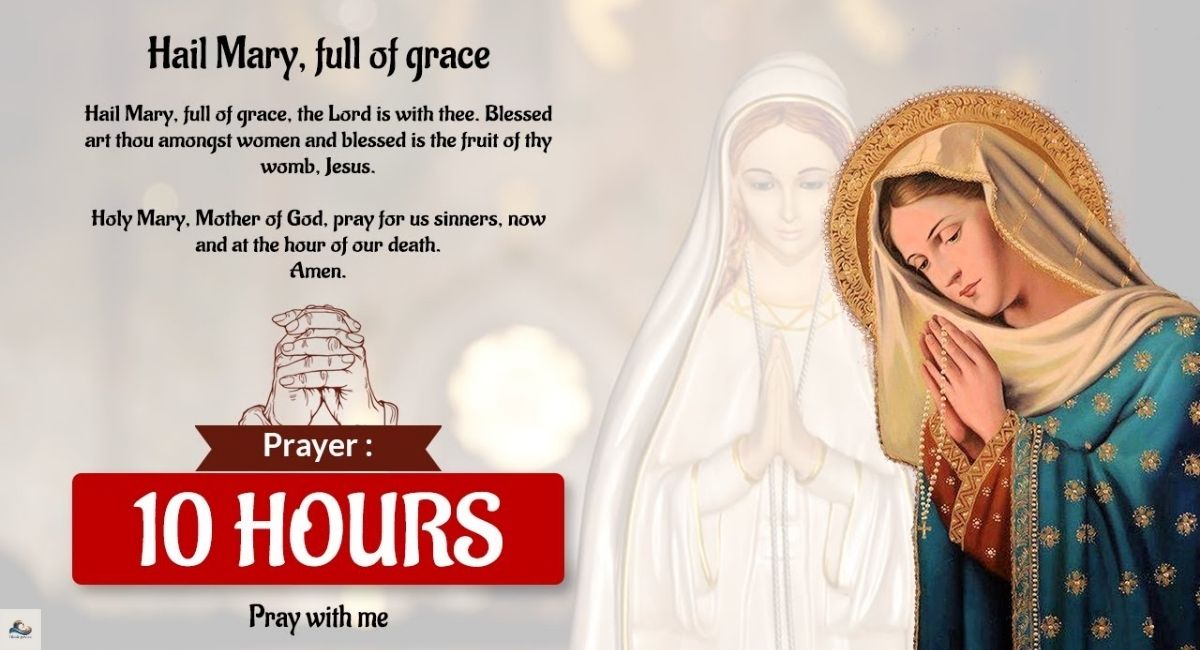
The question What is the Hail Mary prayer is important because many people misunderstand its purpose. The Hail Mary is a prayer to the Virgin Mary, but it is always centered on Jesus. The prayer begins with words taken directly from Scripture and ends with a humble request asking Mary to pray for us. Catholics believe Mary listens not because of her power, but because of her closeness to her Son.
At its heart, the Hail Mary prayer Catholic tradition reflects trust. Catholics speak to Mary the way a child speaks to a loving mother, knowing she will bring their needs to God. This is why the prayer feels comforting rather than distant. It connects Scripture, faith, and daily life into one gentle rhythm of prayer.
Biblical Meaning of the Hail Mary

The Biblical meaning of the Hail Mary is clear and deeply rooted in the Bible. The opening words come directly from Luke 1:28 Hail Mary, when the Angel Gabriel greets Mary as “full of grace.” The next line echoes Luke 1:42 Hail Mary, when Elizabeth, filled with the Holy Spirit, calls Mary blessed among women. These are not later additions. They are God’s own words spoken through Scripture.
Because of this foundation, Catholics confidently answer yes when asked Is the Hail Mary biblical. The prayer simply gathers Scripture into a form that can be prayed slowly and repeatedly. It allows believers to meditate on God’s action in history, especially the moment when salvation entered the world through Christ’s incarnation.
Origin and History of the Hail Mary Prayer
The Origin of the Hail Mary prayer developed over time rather than appearing all at once. Early Christians repeated the angel’s greeting as a way to reflect on the mystery of Christ becoming human. Over centuries, the Church added the second half of the prayer, asking Mary to pray for sinners now and at death. This reflected growing trust in the intercession of Mary.
By the Middle Ages, the Hail Mary full prayer became part of daily devotion and later formed the foundation of the Rosary. Even today, it remains one of the most enduring old Catholic prayers, linking modern believers with generations who prayed the same words during times of persecution, hope, and renewal.
Why Do Catholics Pray the Hail Mary?

Understanding Why Catholics pray the Hail Mary requires understanding Catholic belief about prayer itself. Catholics believe prayer is relational. Just as Christians ask friends or family to pray for them, they ask Mary to pray with them and for them. This reflects belief in the intercession of saints in Catholicism, where the Church remains united across heaven and earth.
The Hail Mary offers peace because it reminds believers they are not alone. In moments of fear or weakness, this prayer becomes a steady anchor. It explains why the prayer remains central among Christian prayers to Mary and why it continues to shape Catholic spirituality today.
Trusting God Through Mary’s Fiat
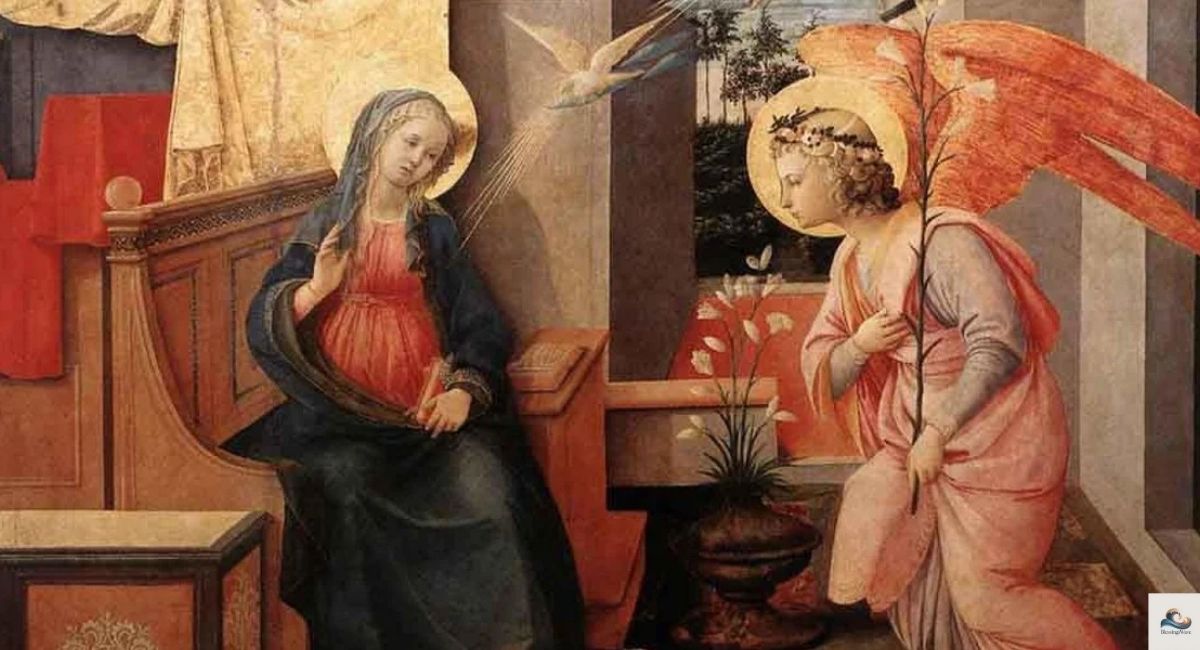
The phrase Mary’s fiat and God’s will refers to Mary’s response to the angel: “Let it be done to me according to your word.” This moment shows total trust without knowing the outcome. When Catholics pray the Hail Mary, they reflect on this surrender and learn how to trust God more deeply in their own lives.
Mary’s fiat teaches that faith is not about control. It is about openness. This lesson gives the Mother of God prayer its spiritual depth. By remembering Mary’s yes, believers learn how to say yes to God even when life feels uncertain.
Asking Mary for Intercession and Guidance
Asking Mary for help does not replace prayer to God. Instead, it strengthens it. Catholics believe in the Intercession of Mary because she remains united with Christ. When believers ask her to pray for them, they are asking for her loving support, not her power.
This trust explains why Marian devotion feels personal. Mary is seen as a mother who understands human fear, sorrow, and hope. Through her prayers, Catholics feel encouraged to approach God with honesty and confidence.
How the Hail Mary Helps Us Know Christ More Fully
The Hail Mary always leads the heart toward Jesus. The prayer pauses at His name, reminding believers that salvation flows through Him alone. This focus explains why Catholics describe it as a Christ-centered Marian prayer rather than a distraction from Christ.
By reflecting on Mary’s role, believers understand Jesus more clearly. They see His humanity, His humility, and His closeness to ordinary life. This is why the prayer deepens faith instead of weakening it.
When and How Often Should We Pray the Hail Mary?

Many ask When to pray the Hail Mary, and the answer is simple. Catholics pray it anytime. Some pray it daily. Others pray it during moments of stress, gratitude, or sorrow. There is no fixed rule, only invitation.
Because the prayer is short, it fits easily into daily life. It becomes part of morning routines, family prayer, and quiet moments before sleep. This flexibility explains its lasting place in Catholic devotion.
How to Pray the Hail Mary Step by Step
Learning How to pray the Hail Mary step by step begins with slowing down. Catholics are encouraged to speak each line thoughtfully rather than rushing. This allows the meaning to sink into the heart.
Praying the Hail Mary with attention transforms repetition into meditation. It teaches believers to listen as much as they speak. Over time, the prayer becomes less about words and more about trust.
Hail Mary Prayer in Other Languages
The Hail Mary crosses cultures and languages. Catholics around the world pray the same prayer in their native tongues, united by faith rather than words. This universality reflects the Church’s global nature.
Praying the Hail Mary in another language often deepens appreciation for its meaning. It reminds believers that faith transcends borders and connects hearts across generations.
Hail Mary in Latin, Spanish, and Italian
The Ave Maria prayer in Latin holds special historical value. Understanding the Meaning of Ave Maria helps Catholics appreciate the prayer’s roots. Spanish and Italian versions continue this tradition, especially within family and parish life.
Each language carries the same message of grace, trust, and hope. The prayer’s meaning remains unchanged, even as its sound shifts across cultures.
Hail Mary Prayer in Songs and Hymns
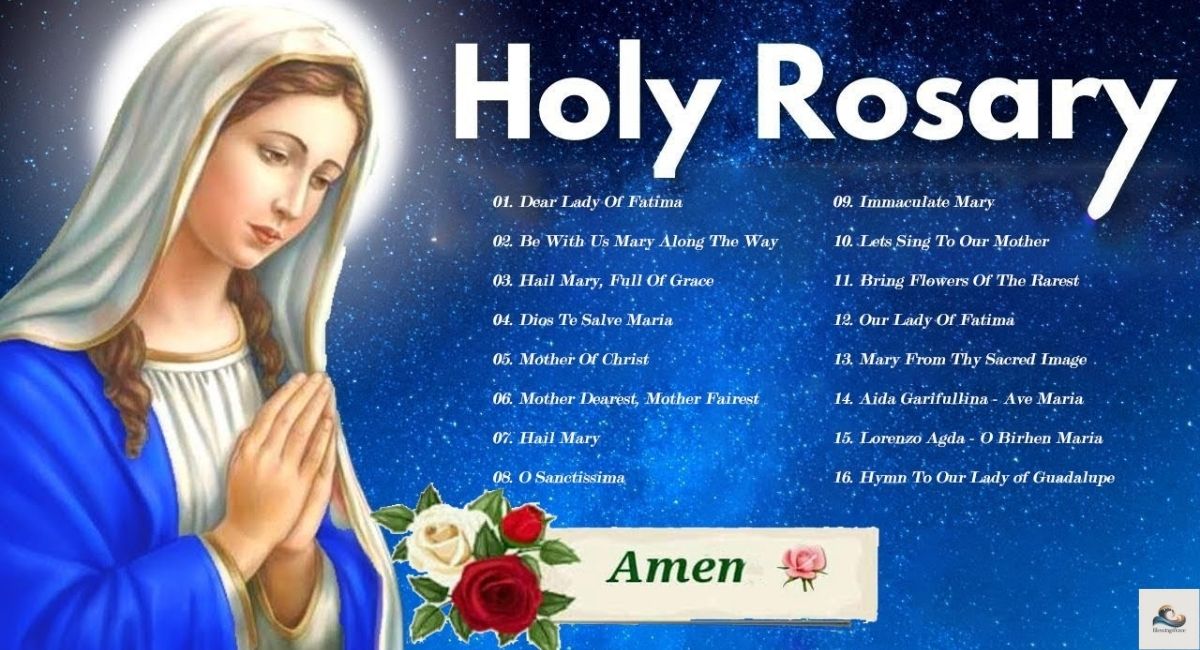
Music has long carried prayer into the heart. Many hymns based on the Ave Maria prayer allow believers to experience the prayer emotionally as well as spiritually.
These musical versions help the prayer remain alive in worship and personal devotion. They allow faith to be expressed through beauty and reflection.
Does the Catholic Church Worship Mary?
The question Does the Catholic Church worship Mary deserves a clear answer. Catholics worship God alone. Mary is honored, not worshiped. This distinction matters deeply within Catholic teaching.
Understanding the Catholic view of Mary reveals her true role. She magnifies God and points believers toward Christ. All authentic Marian devotion increases love for Jesus, never replaces it.
Free Hail Mary Prayer Cards and Marian Devotions
Prayer cards and devotional tools help Catholics keep prayer close throughout the day. These simple aids support reflection and consistency, especially for those new to prayer.
Through these devotions, believers remain connected to Holy Rosary prayers and the wider tradition of Marian prayers Catholic life has preserved for centuries.
Final Reflection
Understanding How to Pray the Hail Mary (Complete Guide for Catholics) takes time, patience, and openness. This prayer may be short, but its meaning is vast. It carries Scripture, history, trust, and hope in every line.
When prayed with understanding, the Hail Mary becomes more than repetition. It becomes a quiet meeting place between faith and daily life. Through Mary’s yes, Catholics learn how to say yes to God, again and again, with trust and peace.
FAQs
What is the full Hail Mary prayer?
Hail Mary, full of grace, the Lord is with thee; blessed art thou among women, and blessed is the fruit of thy womb, Jesus. Holy Mary, Mother of God, pray for us sinners, now and at the hour of our death. Amen.
How do you say the Hail Mary correctly?
Recite the prayer slowly and clearly, reflecting on each line’s meaning, starting with the angel’s greeting and ending with the request for Mary’s intercession.
What are the three Hail Mary prayers?
Typically, three Hail Marys are prayed in honor of the theological virtues: Faith, Hope, and Charity.
What are the three basic prayers?
The three basic prayers are the Our Father, Hail Mary, and Glory Be.
What is the prayer to the Virgin Mary that never fails?
The Hail Mary prayer is often called the prayer to Mary that never fails, as it brings comfort and intercession to those who pray faithfully.